The Beginings
A vihara whose history goes back in time to the 3rd century B.C. (Deva-nampiya Tissa), though nothing structural remains today save the old bodhi tree that had been planted here as a sapling at the time the vihara was first built. It is claimed that this sapling was one of the first eight outshoots from the Mahabodhi at Anuradhapura.

The Twin Shrines
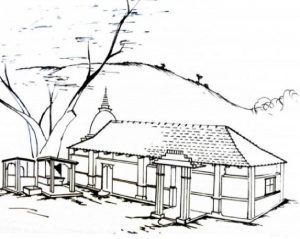
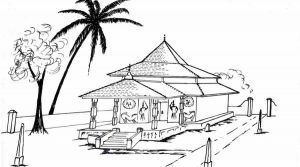
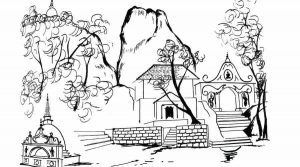
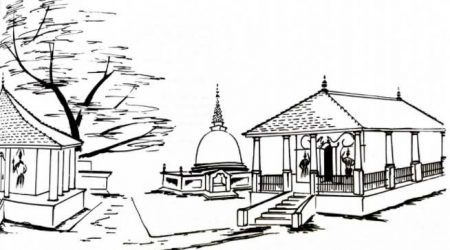
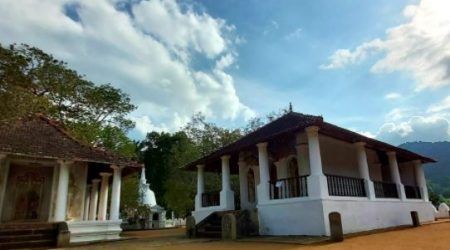
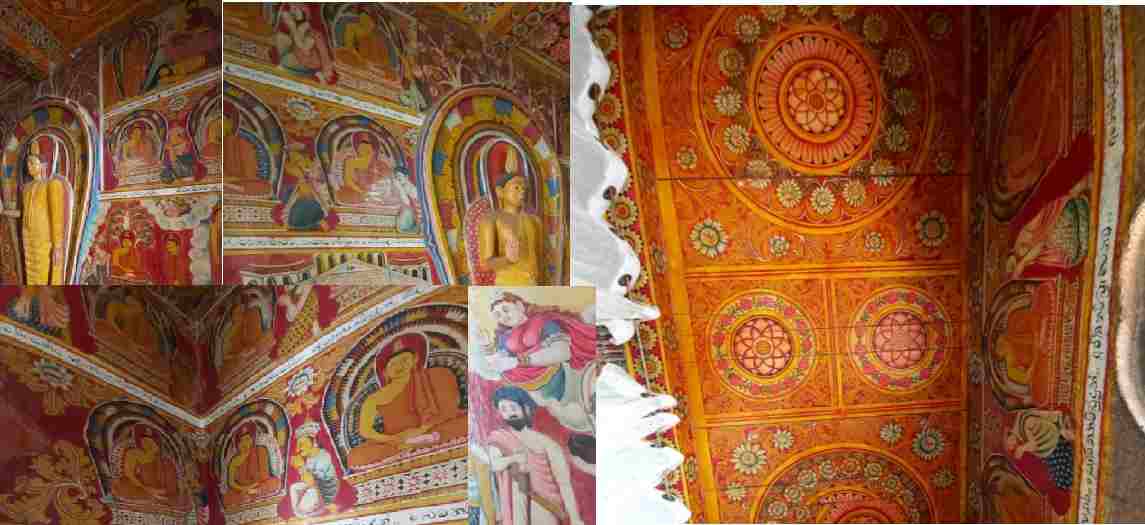
The temple as it stands today in the Pata Hewaheta consists of two image houses. The complex is spacious and well laid out, with the older image house to the right. Although one can suspect its the older one to the left that has been renovated, since its in symmetrical position to the older Bo-tree, with an older foundation. However, the ghastly new paintings of later times in the shrine on the left, make the early 18th-century shrine to the right with guard stones look older.

The contrast in painting styles.
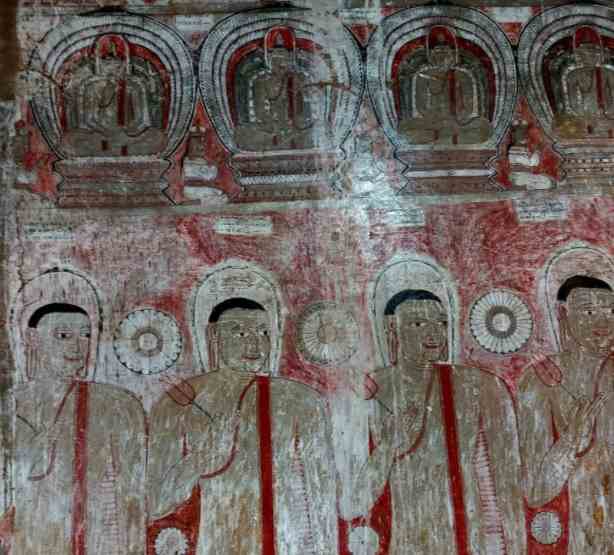
The one generally considered “older” portrays the Degaldoruwa style of paintings on its walls, it is probably contemporaneous with the temple of that name built by Rajadhi Rajasinghe during Kirti Sri Rajasingha’s reign. These paintings in the older image house show the 24 suvisi Buddhas, and below this a row of worshipping monks in soothing colours.
The second image house to the left was erected as recently as 1910 (We believe renovated), according to an inscription on one of the steps. Within each of these existing viharas or image houses is a sedant Buddha murals of the vihara to the left are in the modern folk style and cannot be compared to the older paintings found in the other to the right. In the shrine to the left, the statues and the shrine have been over-painted in much brighter colours.
The Stupa from the 1930s
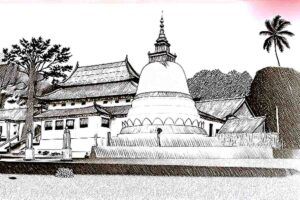
A stone-flagged path leads past the two viharas to the large ceitiya. When the present Incumbent’s senior took over there had been a ceitiya here, about 3 feet tall. The present ceitiya was built over this in 1938.
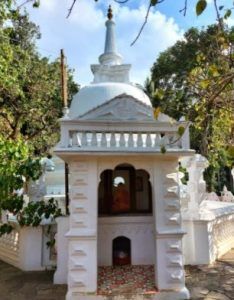
There was also a mal-asana at the time standing at the foot of the bodhi tree on the left. This tree is the original bodhi from Anuradhapura.
The second bo-tree on the right is the pari-vara bo-tree, or companion tree’ planted sometime later.
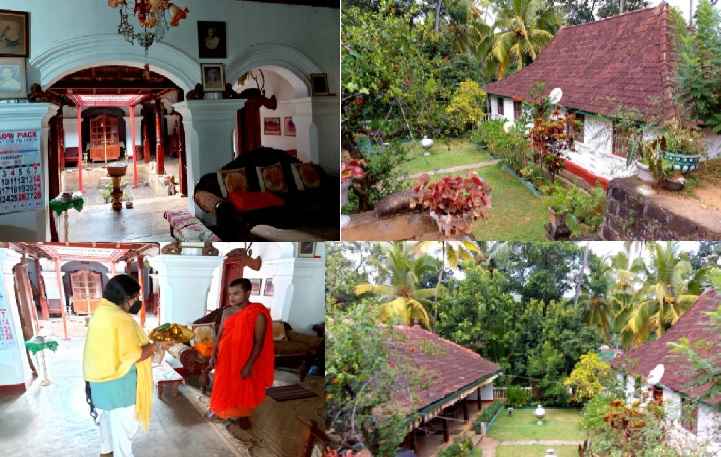
The Abodes of the Monks
The pansala and pirivena both lie in front of the viharas, at a lower level.
The Ancient customs, that lives on
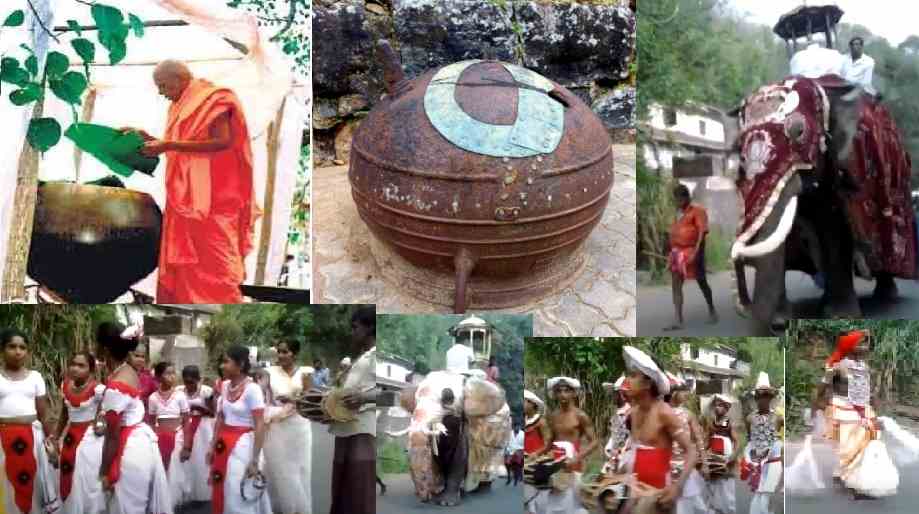
In the old days there were six villages (hence: sa-gama) that served the vihara, and they held a 14-day perahera three days after the Sinhala New Year. This was a kiri-boda perahera ie., one in which only males prepare the food, and alms-giving. Each village took it by turn to perform this perahera. Today only 4 villages take part. https://m.facebook.com/sagama.org/photos/a.1385873498311383/1504633179768747/?type=3
The Monk who is Remembered
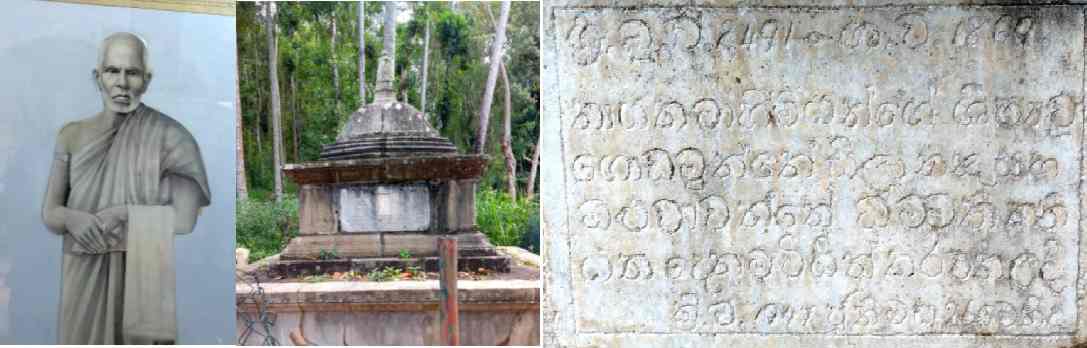
The temple was in the past for a short time also called Gunaratna Vihara to commemorate the present Incumbent’s guru’s guru, the Ven. Horekaduwa Gunaratna Thero. Now a dharmasalawa by that name stands to commemorate the monk.