Hanguranketha Pothgul Vihara – A Hidden Gem of Sri Lankan Heritage
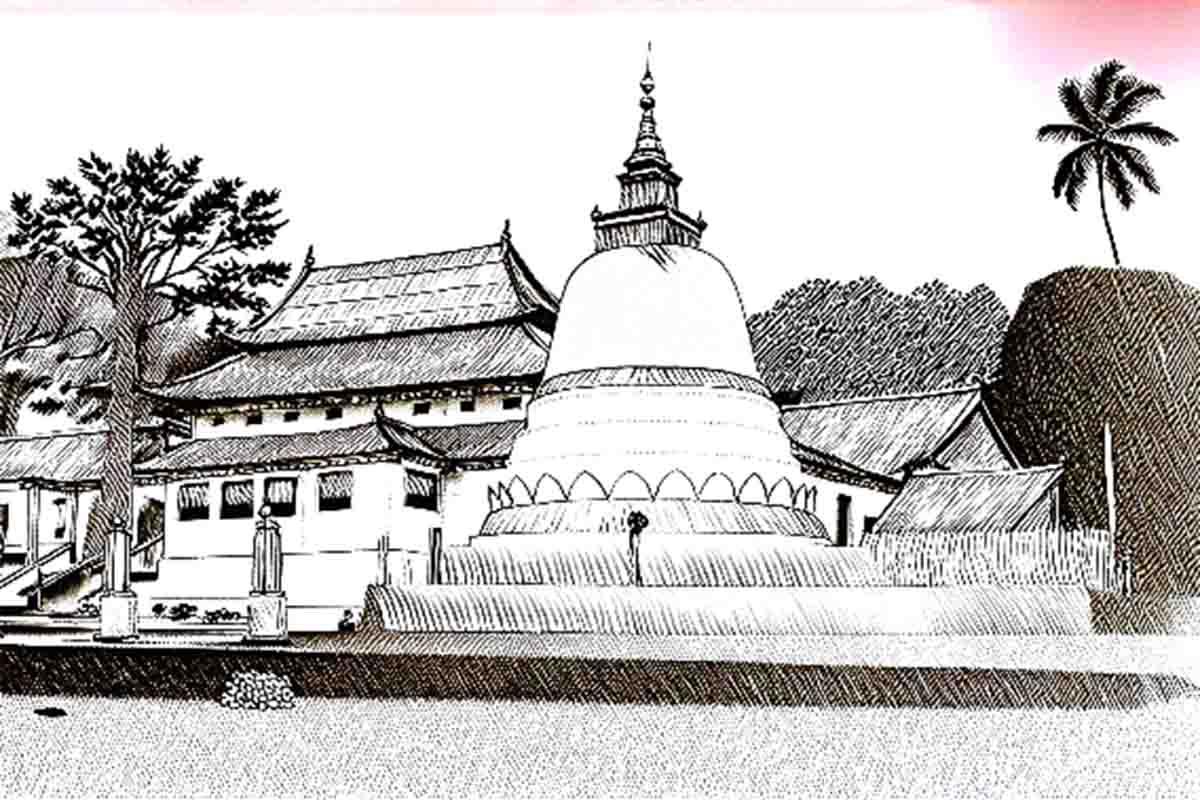
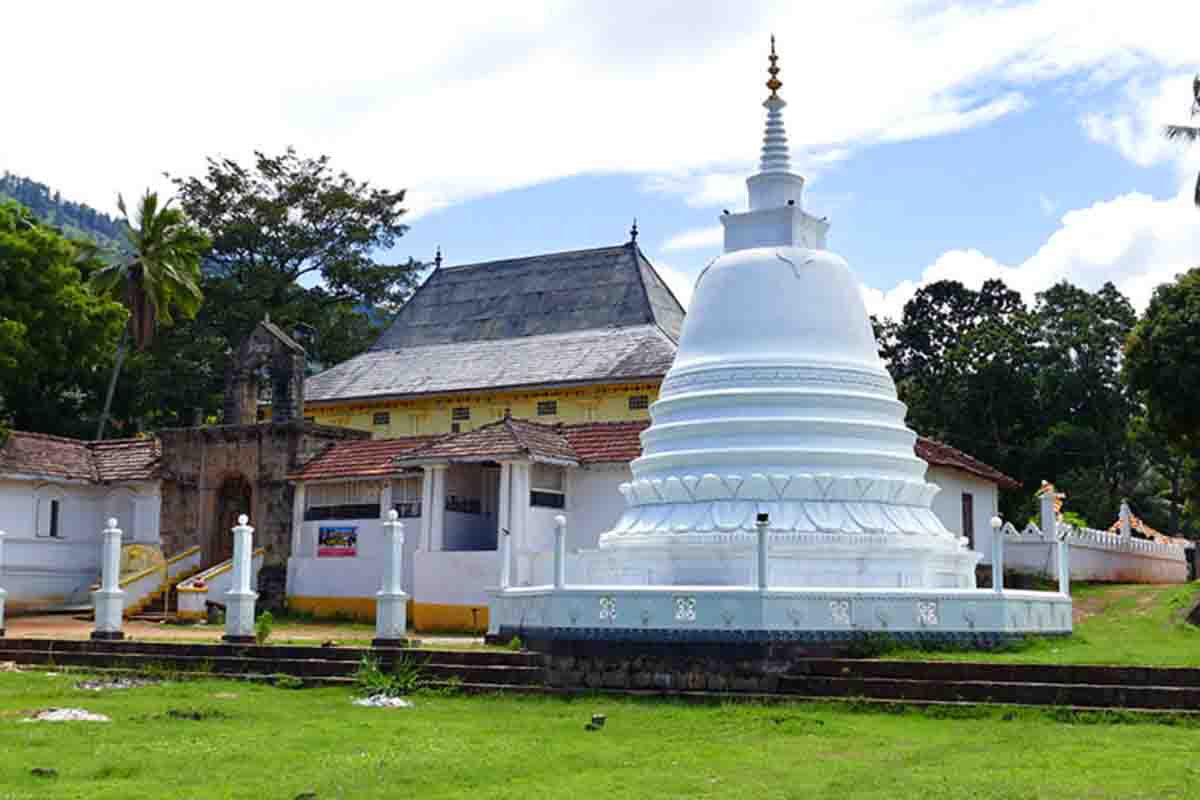
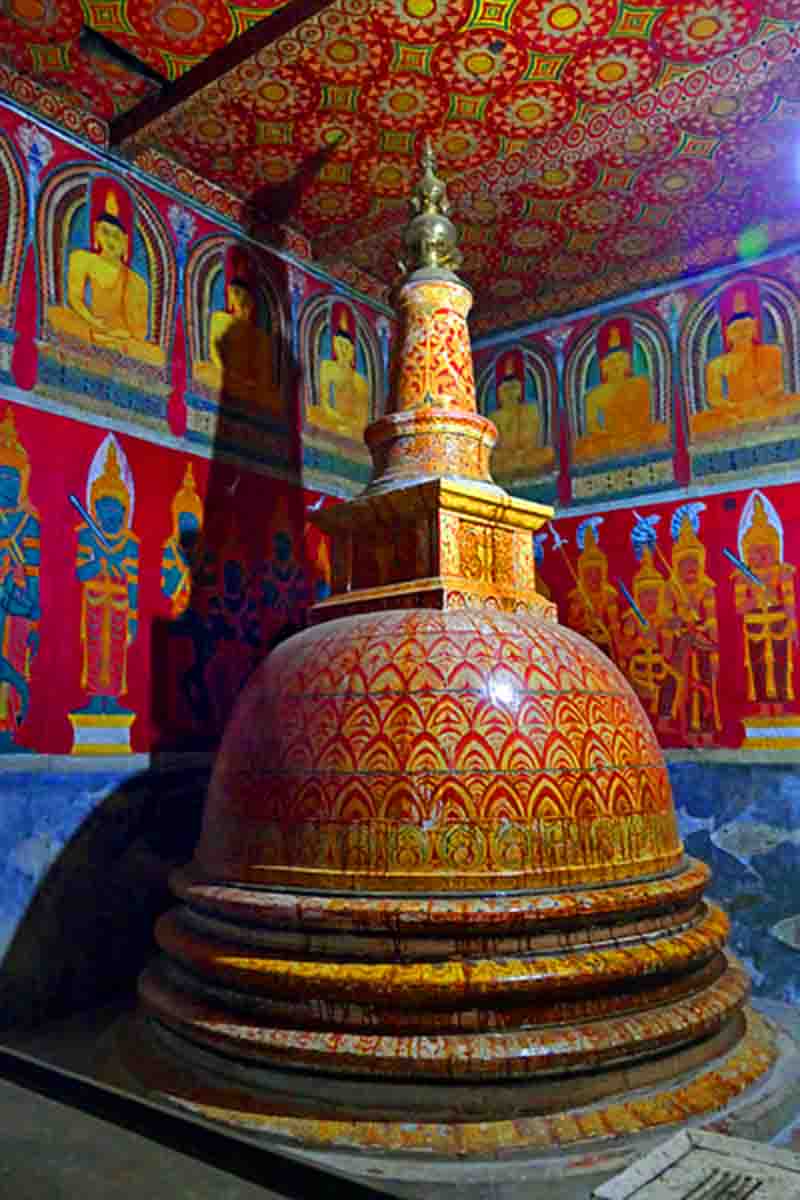
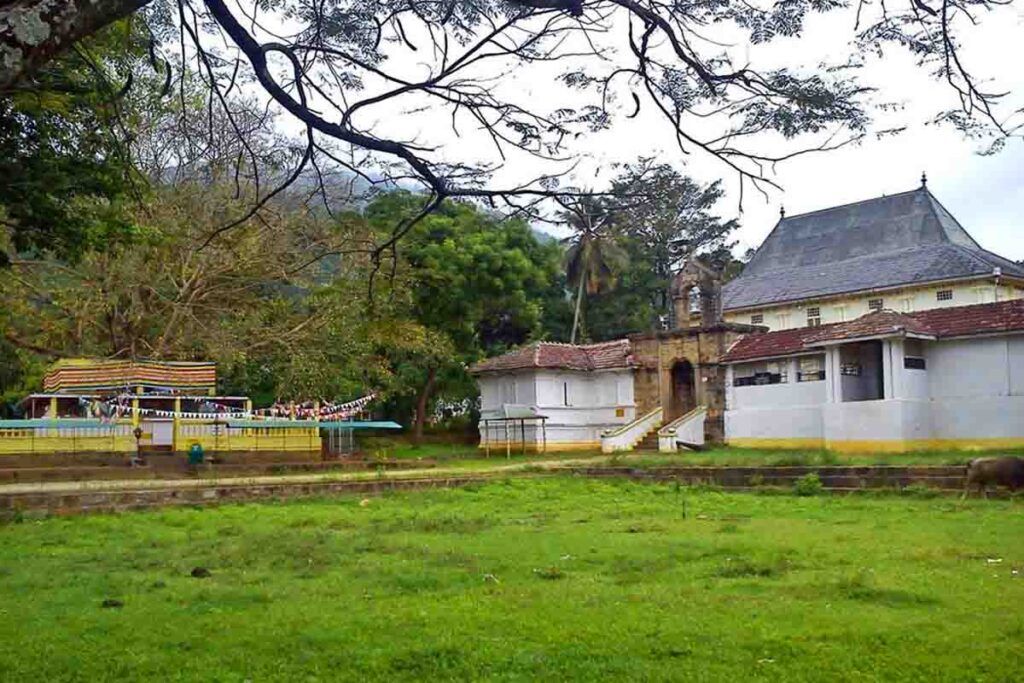
Tucked away in the scenic hills of Sri Lanka’s Central Province lies Hanguranketha Pothgul Vihara, a historic Buddhist temple with deep cultural and historical significance. Often overshadowed by more prominent religious sites, this temple is a treasure trove of Kandyan-era architecture, art, and literature.
Historical Background
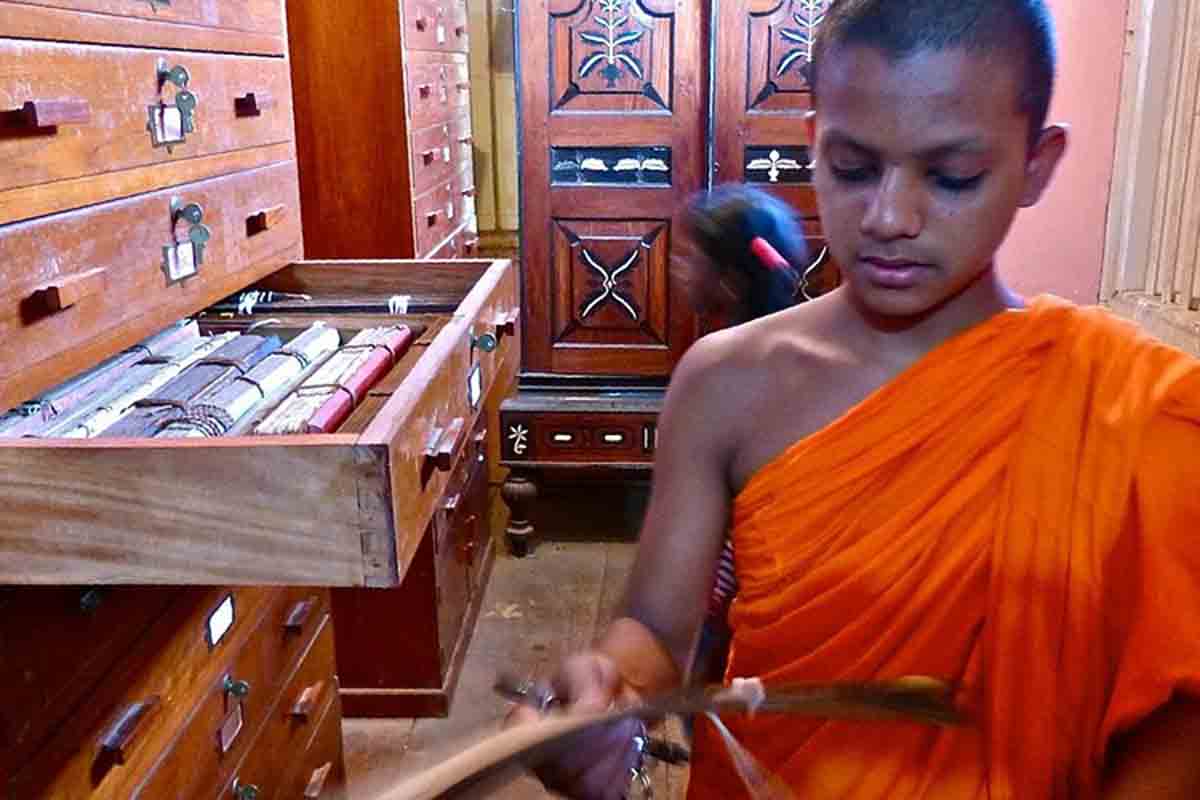
Hanguranketha, once known as “Diyatilaka Mandapa”, served as a temporary royal capital during the reign of King Senarath and King Rajasinghe II in the 17th century. The area became a sanctuary for the Kandyan kings during times of war. Pothgul Vihara, meaning “Library Temple,” was an important center for Buddhist learning and housed many ancient manuscripts.
Architectural Significance
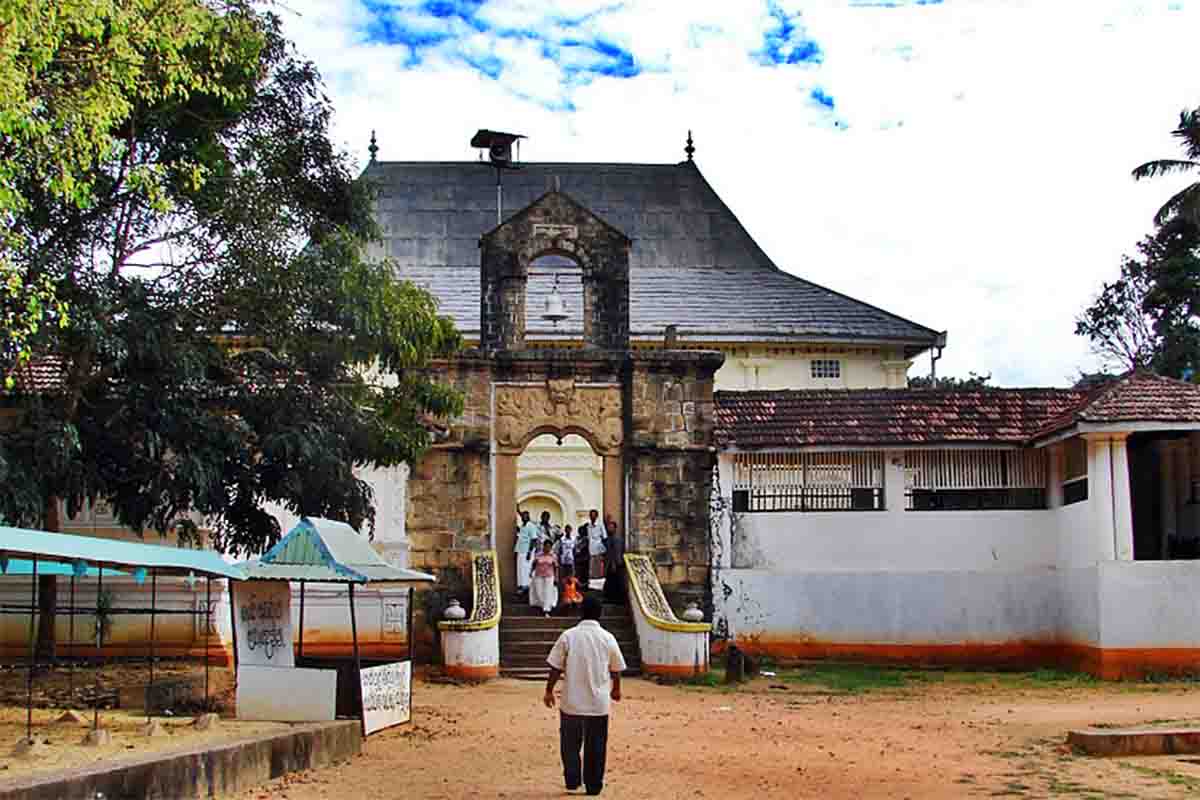
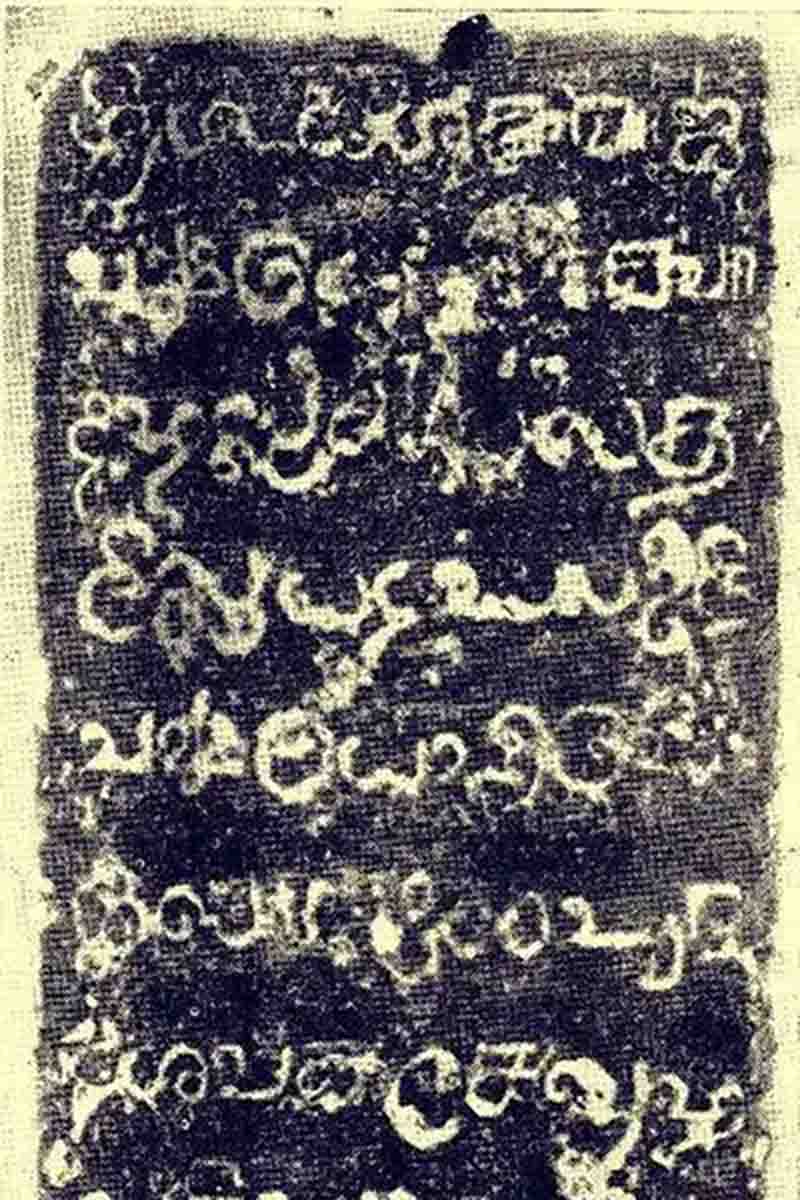
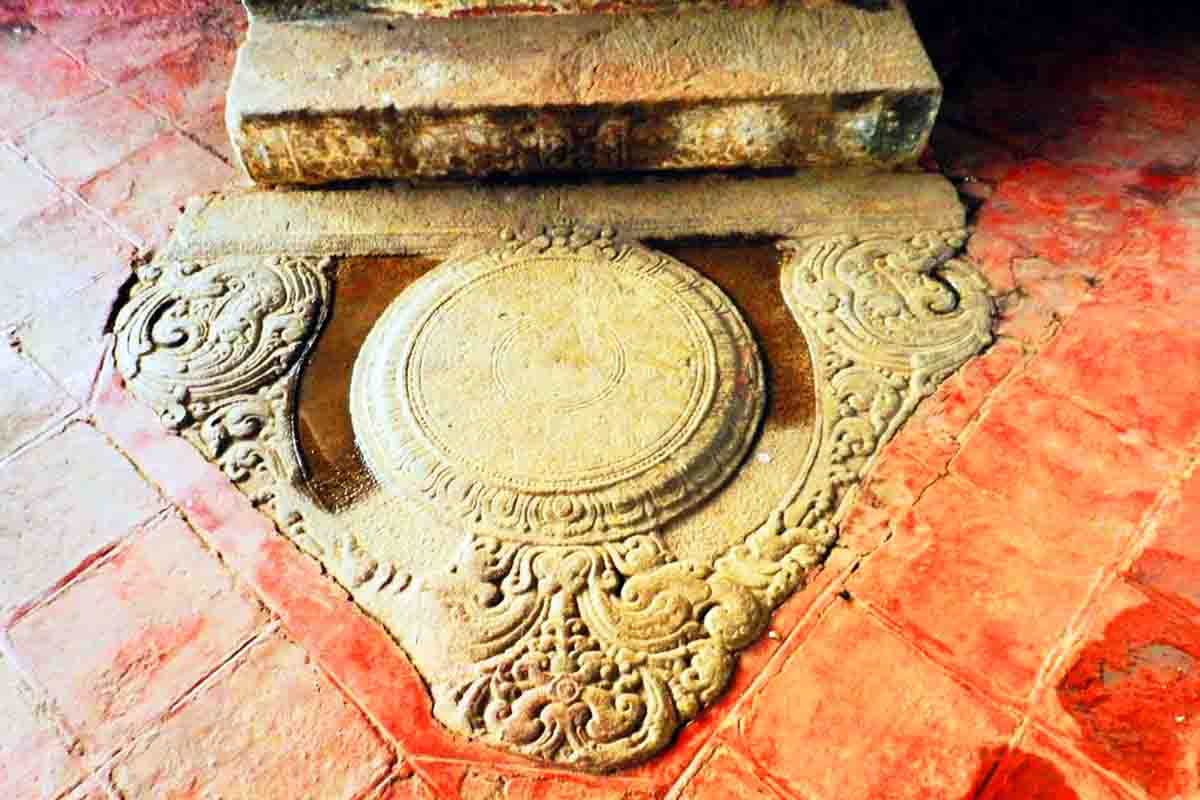
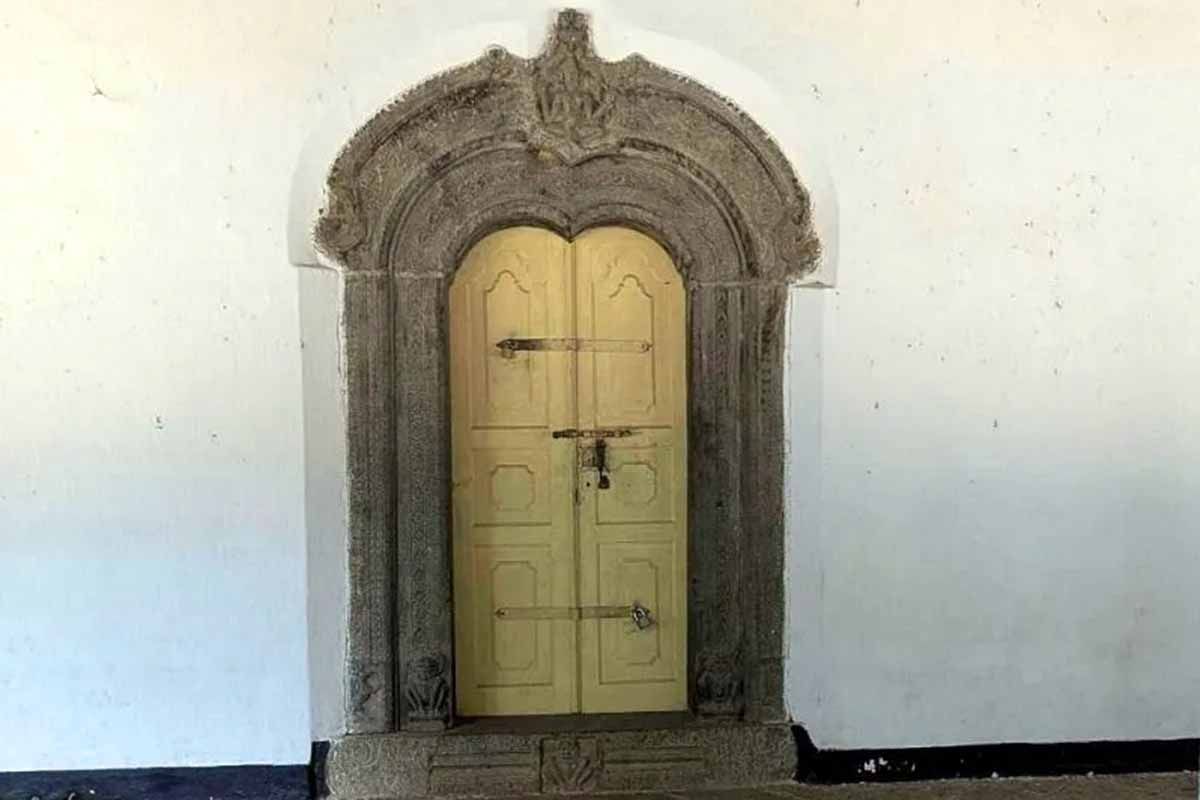
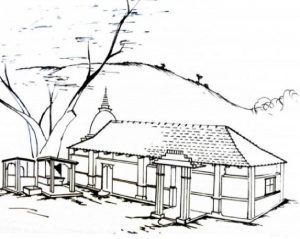
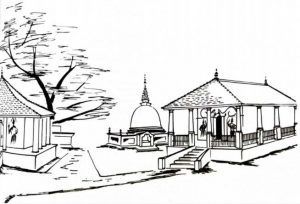
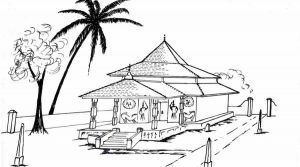
The temple complex is renowned for its traditional Kandyan architecture. Its wooden pillars, intricately carved doorways, and ancient stone inscriptions reflect the craftsmanship of the era. Though not as grand as some of the larger temples in Kandy or Anuradhapura, Hanguranketha Pothgul Vihara stands out for its serenity and preserved heritage.
Cultural and Literary Value
True to its name, Pothgul (which means “library”) refers to the repository of ola leaf manuscripts that were once stored in the temple. These manuscripts contained Buddhist scriptures, historical records, and literary works, making the vihara an educational hub for monks and scholars of the time.
Present-Day Importance
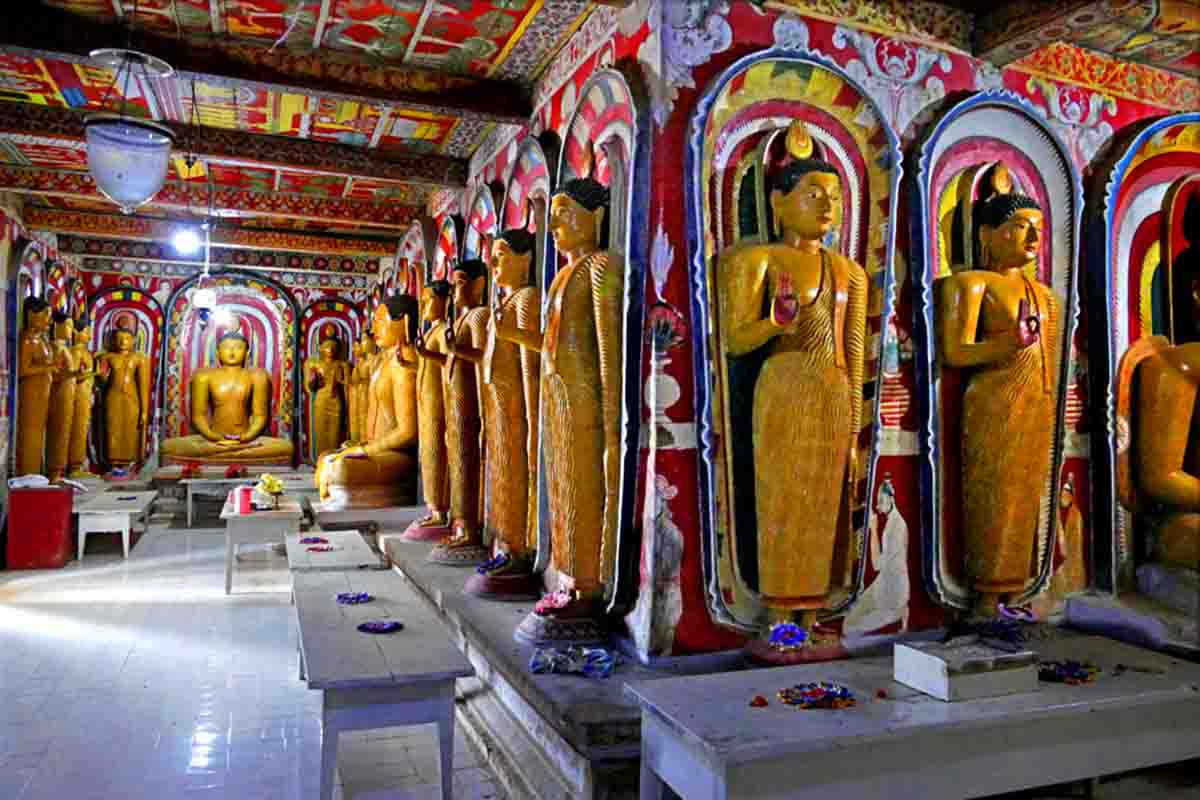
Today, Hanguranketha Pothgul Vihara remains an active place of worship and pilgrimage. It is less crowded than major tourist destinations, making it an ideal spot for those seeking peace and a deeper understanding of Sri Lanka’s religious history. Efforts have been made by local authorities and heritage departments to preserve the site and its artifacts.
How to Visit
Location: Hanguranketha, about 26 km southeast of Kandy
Best time to visit: Morning or late afternoon for cooler weather and a peaceful atmosphere
What to wear: Modest attire is required; visitors should remove shoes before entering the temple premises
Conclusion
Hanguranketha Pothgul Vihara may not be on the typical tourist trail, but it is a site that rewards the curious traveler with stories of royalty, scholarship, and devotion. For those looking to connect with Sri Lanka’s spiritual and cultural legacy, this vihara offers an unforgettable experience.